




Rewinder
2025-01-13
Description
The global e-waste crisis is escalating rapidly, with electronic waste increasing five times faster than documented e-waste recycling efforts (UNITAR, 2024). In 2022 alone, 62 million tonnes of e-waste were generated, and batteries contribute significantly to this growing problem. Shockingly, less than a quarter of lithium-ion batteries are recycled worldwide, despite the estimated $91 billion economic value of recoverable metals in e-waste (UNITAR, 2024; SIMS Lifecycle Services, n.d.).
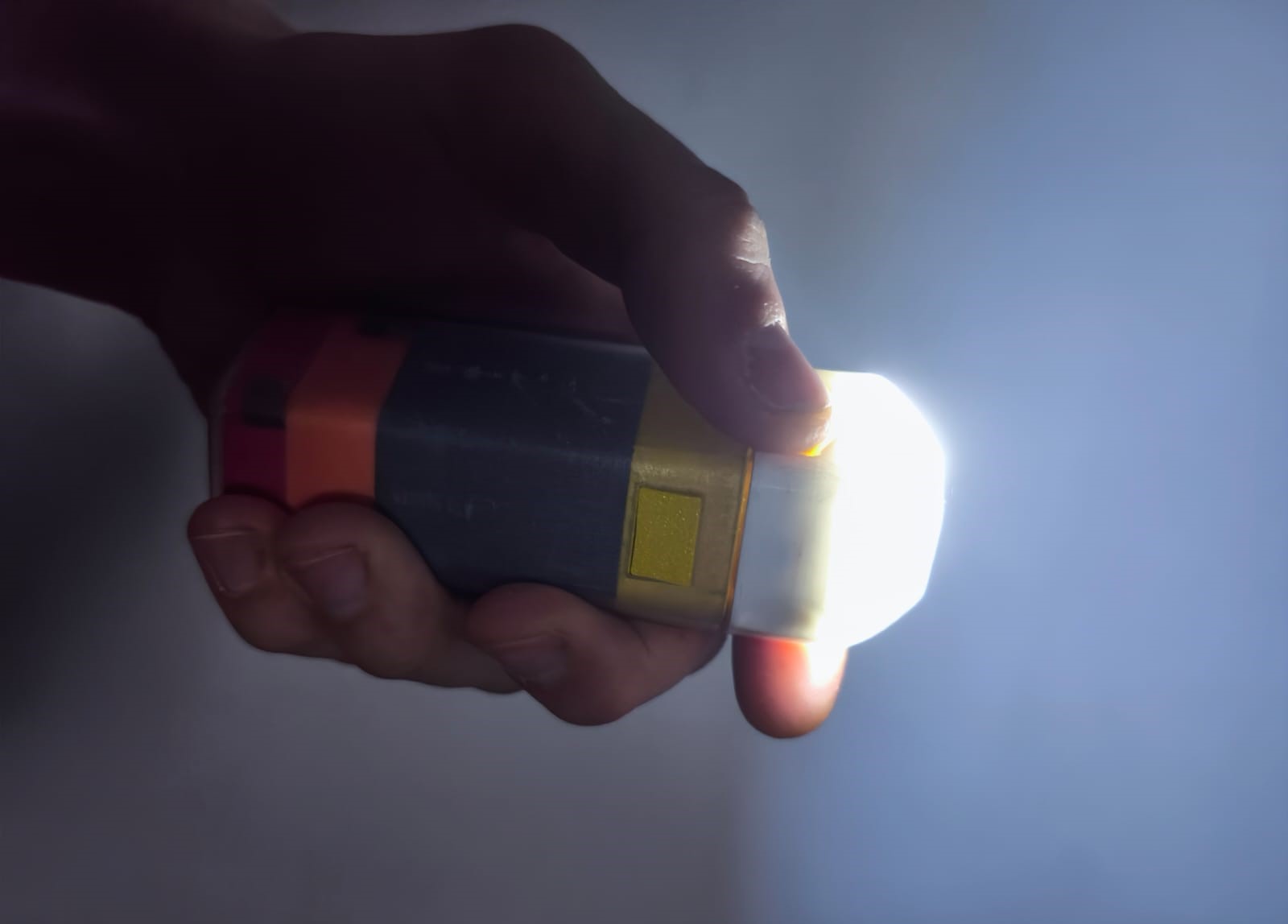
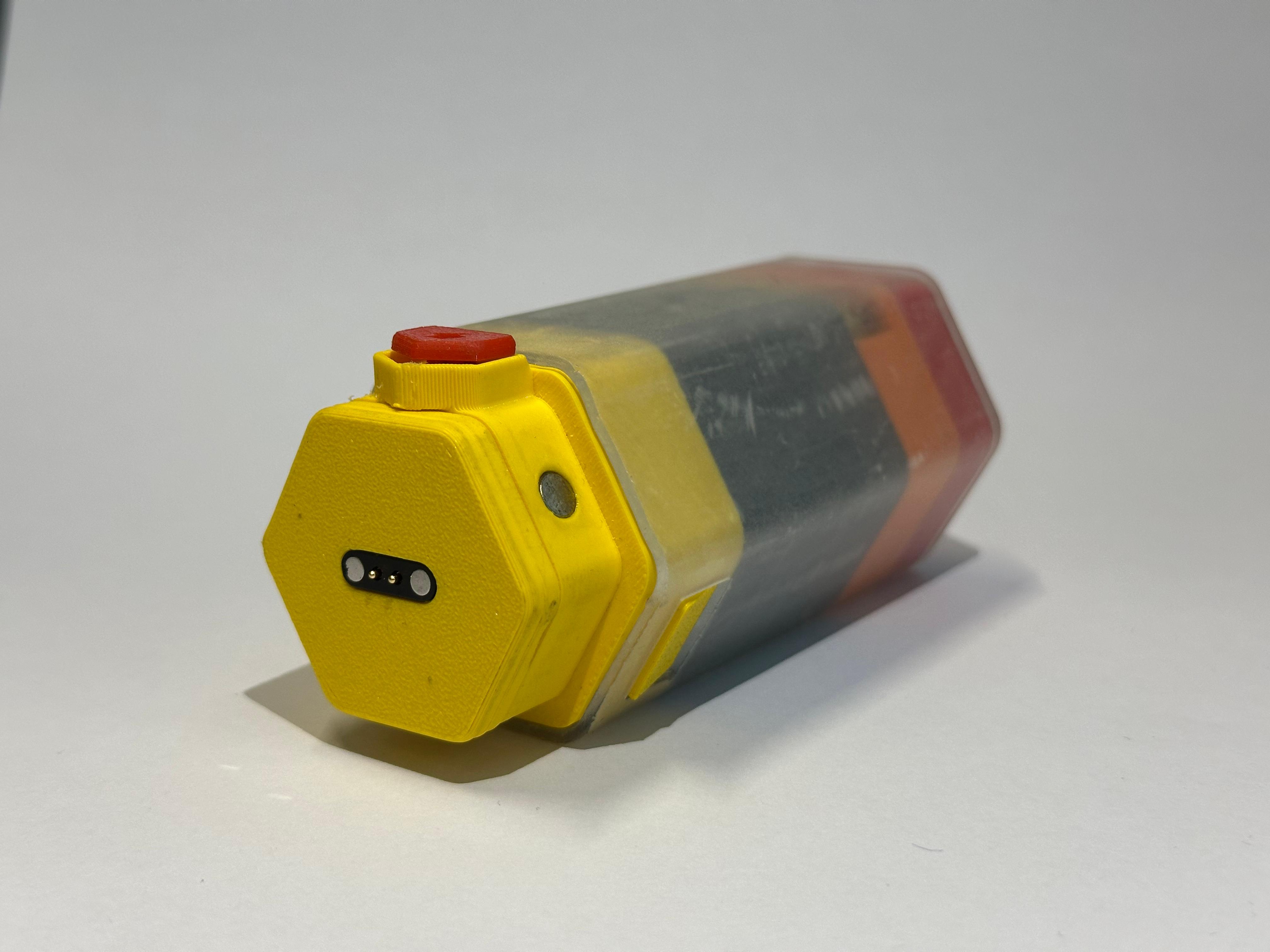
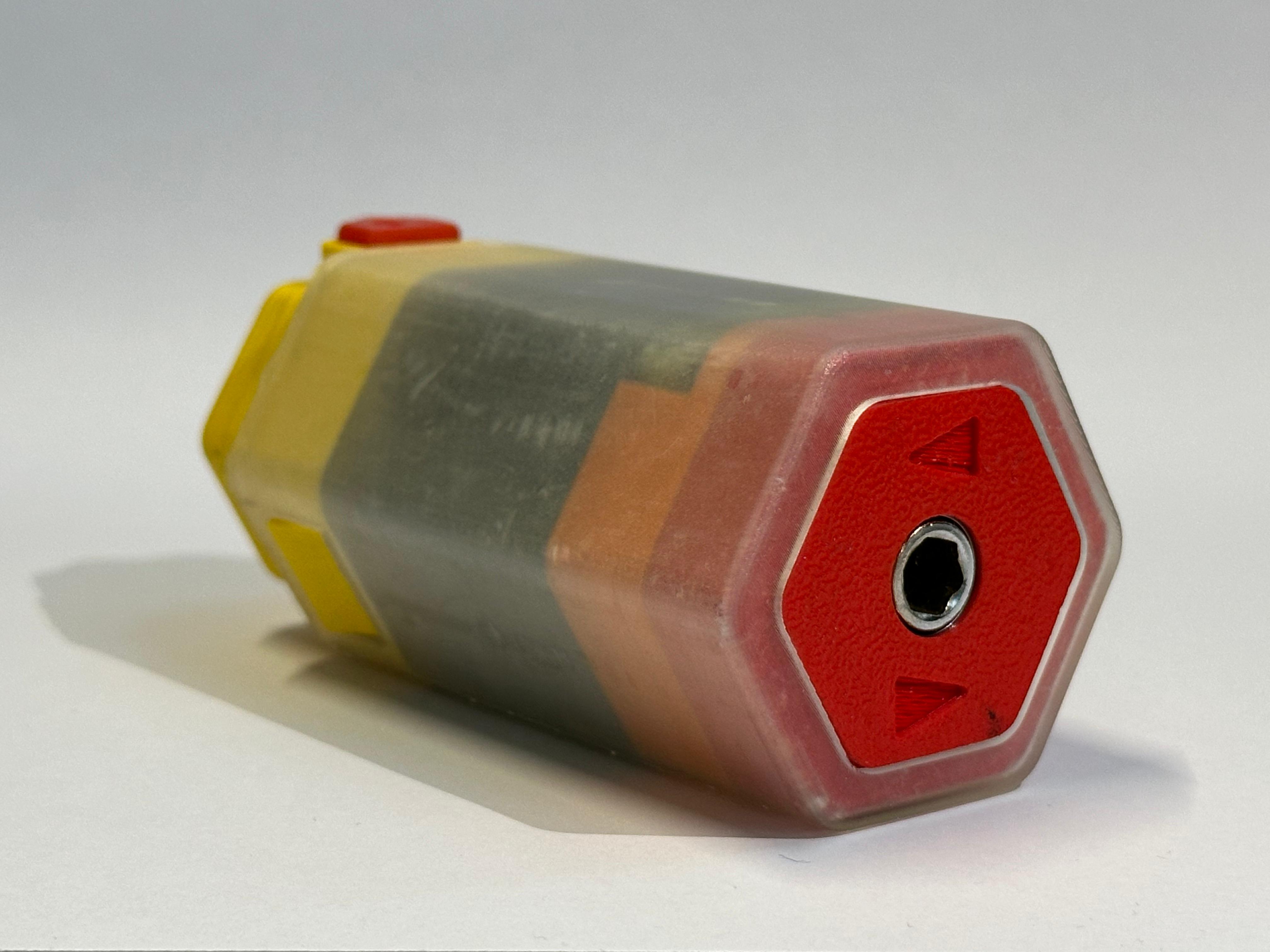
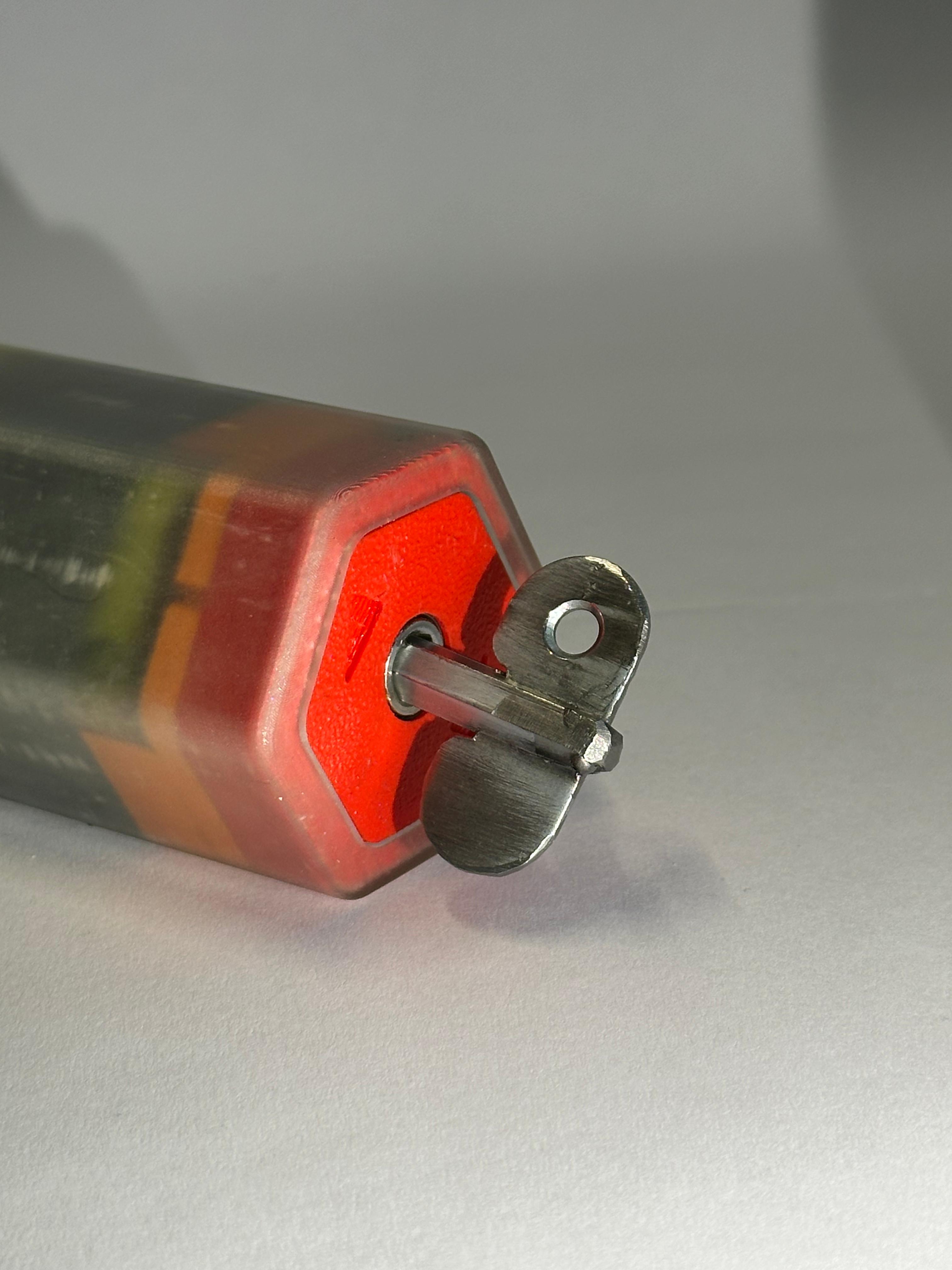
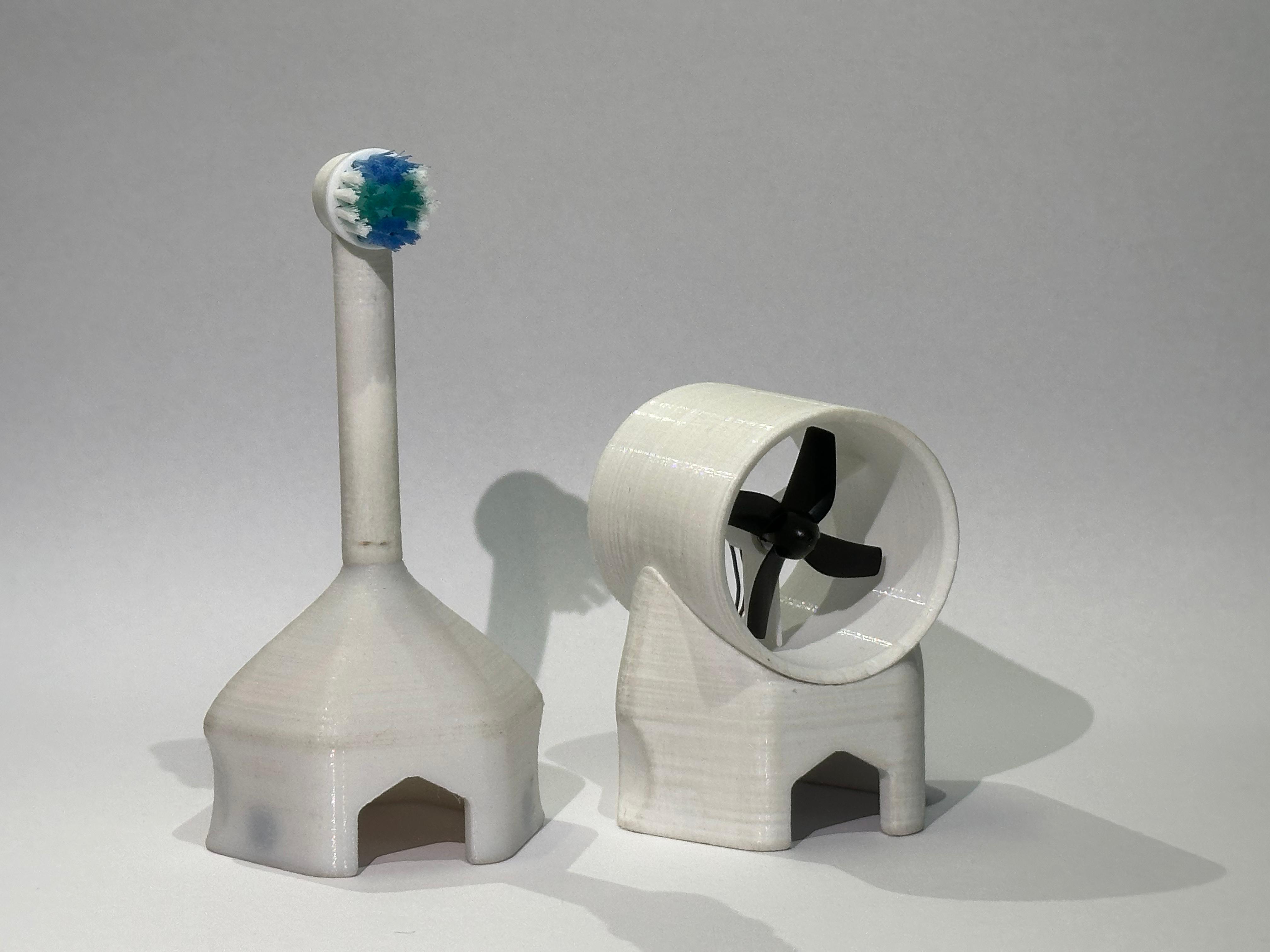
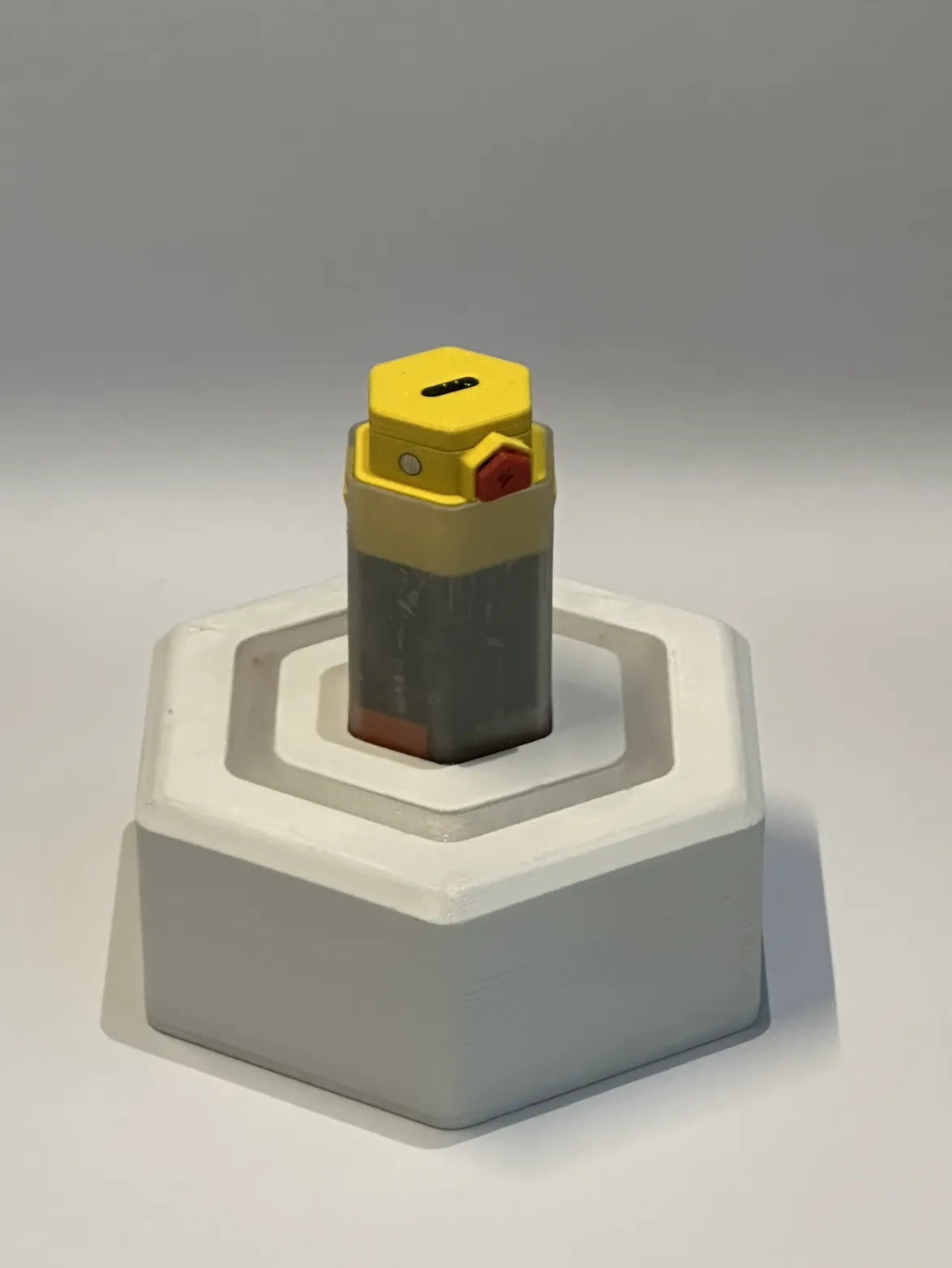
To address this, Rewinder offers a sustainable alternative to battery-powered devices by relying entirely on mechanical energy. Unlike traditional electronics that depend on disposable batteries, Rewinder operates using a hybrid system: a wound spring stores mechanical energy, which is then converted into electricity through a dynamo. This energy can power interchangeable modules such as a toothbrush, flashlight, or fan, with potential for even more diverse applications.
Its modular design prioritizes repairability and adaptability, aligning with circular design principles to reduce household e-waste. By integrating multiple functionalities into one mechanically powered device, Rewinder presents a practical solution for reducing reliance on disposable batteries while promoting long-term serviceability and sustainability.
1. United Nations Institute for Training and Research (UNITAR). (2024). Global e-waste monitor 2024: Electronic waste rising five times faster than documented e-waste recycling. Retrieved from unitar.org/about/news-stories/press/global-e-waste-monitor-2024-electronic-waste-rising-five-times-faster-documented-e-waste-recycling

Reflection
Throughout the project, I learned the importance of adaptability, leadership, and balancing personal goals with team needs. Early on, I took initiative by organizing ideas through mind maps and sketches and stepped into a managing role to keep the project on track. While I had hoped to focus on user research and product finalization, I had to shift priorities to support team progress, often taking on a wide range of tasks including 3D modeling, prototyping, and planning.
One key insight was the value of clear communication and structured collaboration. After facing challenges with team motivation and communication, organizing a team meeting and setting ground rules significantly improved our workflow. I also realized that giving teammates more autonomy helped reduce tension and improved engagement.
I developed technical skills in mechanical prototyping, choosing sustainable alternatives over electronics, which deepened my interest in mechanical design and product longevity. Researching manufacturing methods and alternative materials aligned with my values around durability and sustainability.
User testing taught me the need for better preparation and consistency in scenario explanation, leading to more reliable feedback. Collaborating on report writing and database research also improved my research efficiency and teamwork.
Going forward, I aim to prioritize clearer planning, improve how I structure user interactions, and stay more aligned with my own learning goals instead of focusing only on project success.
